NexusMed was born from a conviction: medicine shouldn't begin when symptoms appear. It should begin earlier, when data allows us to understand, prevent, and make better decisions.
NexusMed Clinical Center · Cumbayá, Quito.
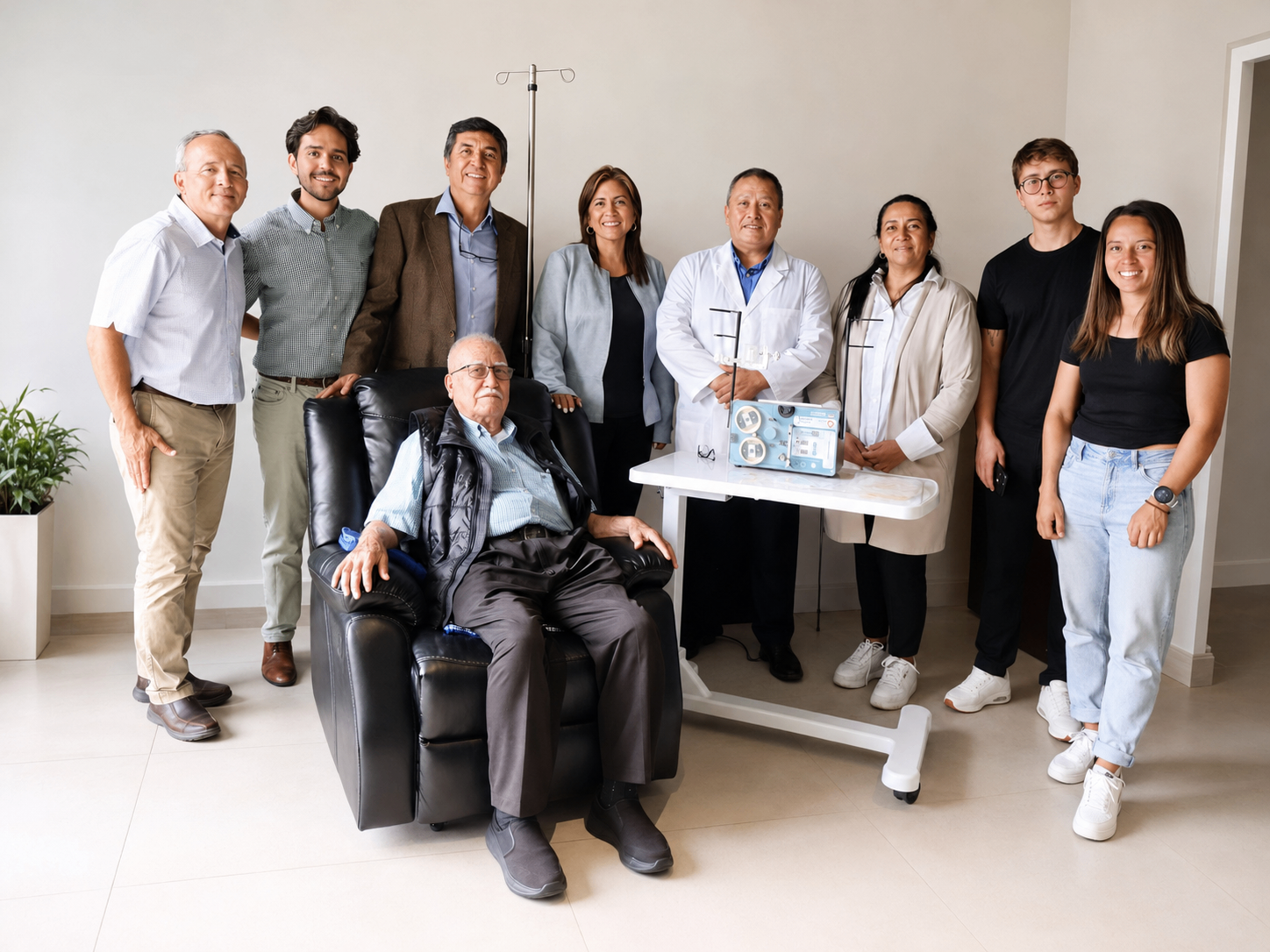
NexusMed is the only medical center in Latin America operating with its own proprietary apheresis technology. Located in Cumbayá, Quito, the center brings together therapeutic plasmapheresis, regenerative medicine, data-driven preventive medicine, and advanced clinical evaluation under one roof.
The GEMA device, used in every one of our apheresis procedures, is developed by Apheresis Technology, NexusMed's sister company, present in more than 850 clinical centers across a dozen countries. This integration between technology development and clinical practice is rare in the sector and defines our ability to control the quality of every procedure.

We built NexusMed on that conviction — not as a center for symptoms, but as an institution of clinical data, precision, and follow-up. A disease that can be anticipated shouldn't come as a surprise.
Precision medicine. Clinical decisions based on information.
Biomarkers as the starting point
We never begin a protocol without clinical data. An extended biomarker panel lets us understand the real state of your biology before designing any intervention.
Individualized protocols
There is no one-size-fits-all protocol. Each treatment plan is designed from clinical results, medical history, and each person's specific goals.
Measurable follow-up
Results are measured, not declared. We repeat biomarkers at set points in the protocol to confirm clinical response and adjust when necessary.
Proprietary technology
The GEMA device gives us direct control over every apheresis procedure — with no dependence on outside suppliers and no variability in technical quality.
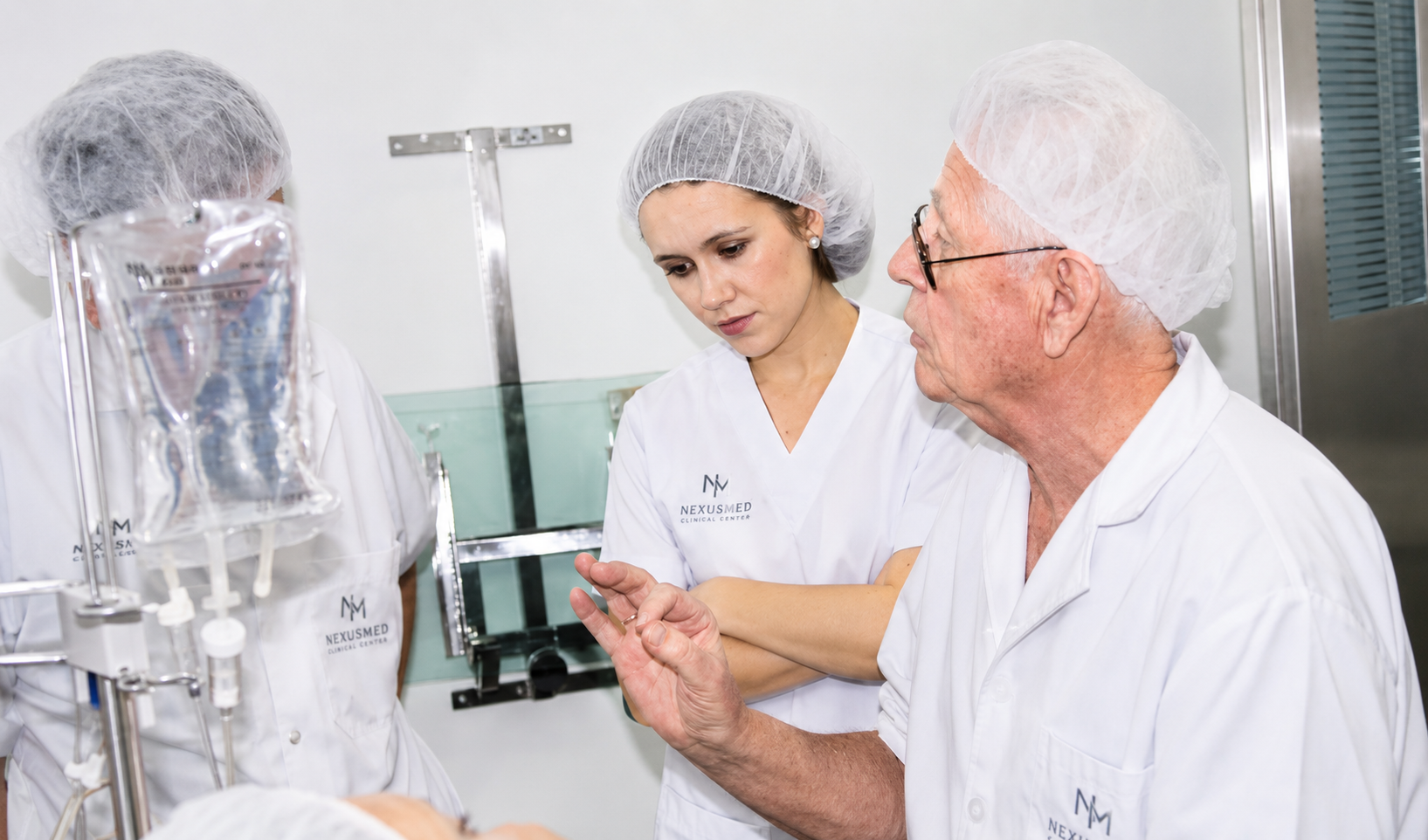
Clinical quality is decided before the patient ever enters the room.
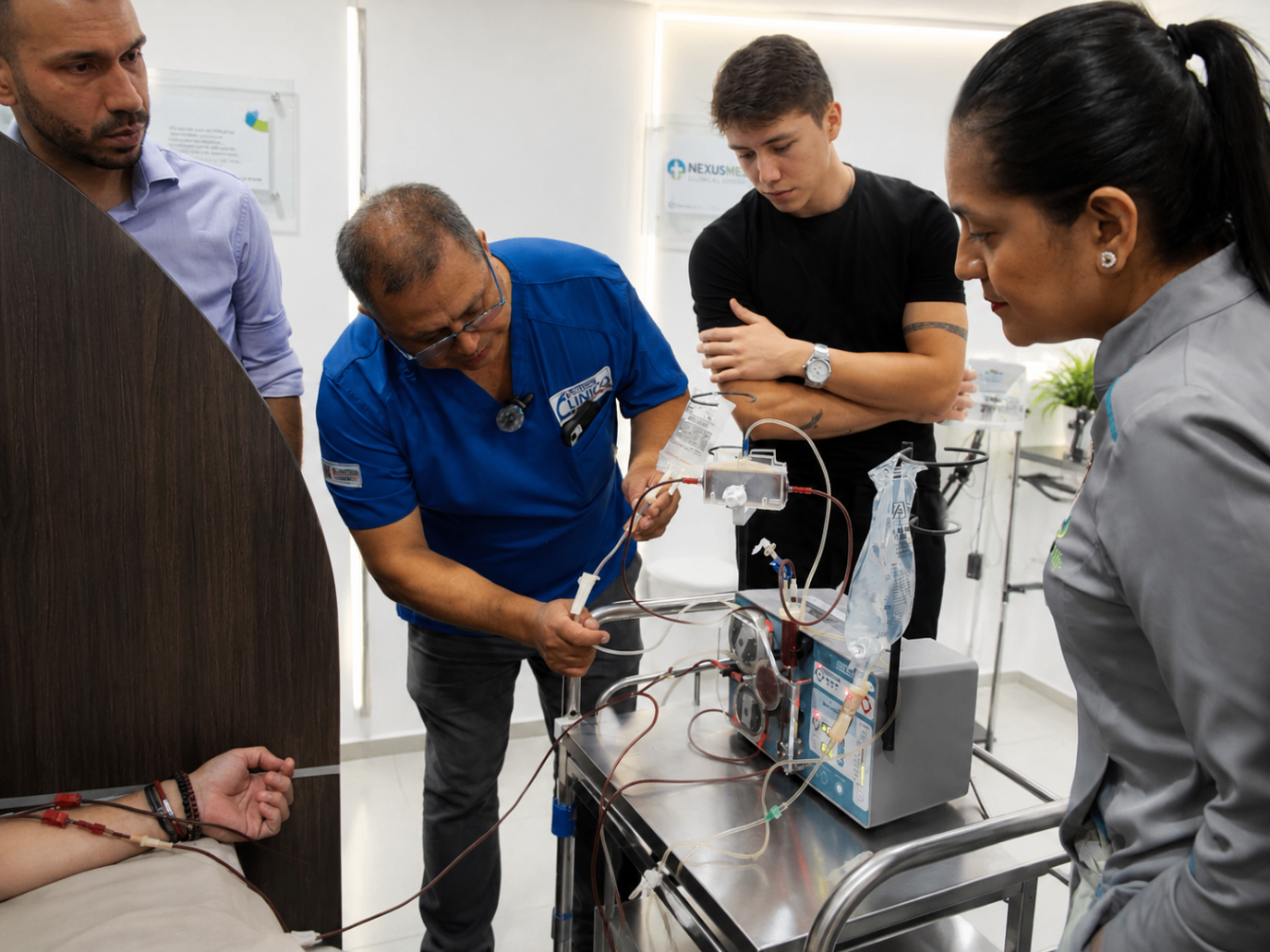
Every protocol begins with sterile preparation: verified supplies, a calibrated device, and a reviewed diagnostic panel. Nothing is improvised in the room.

The same clinical standard we take abroad, operating every day in Quito.
Apheresis room, infusion lounge, laboratory, and a complete medical team. No stage of the protocol is outsourced.


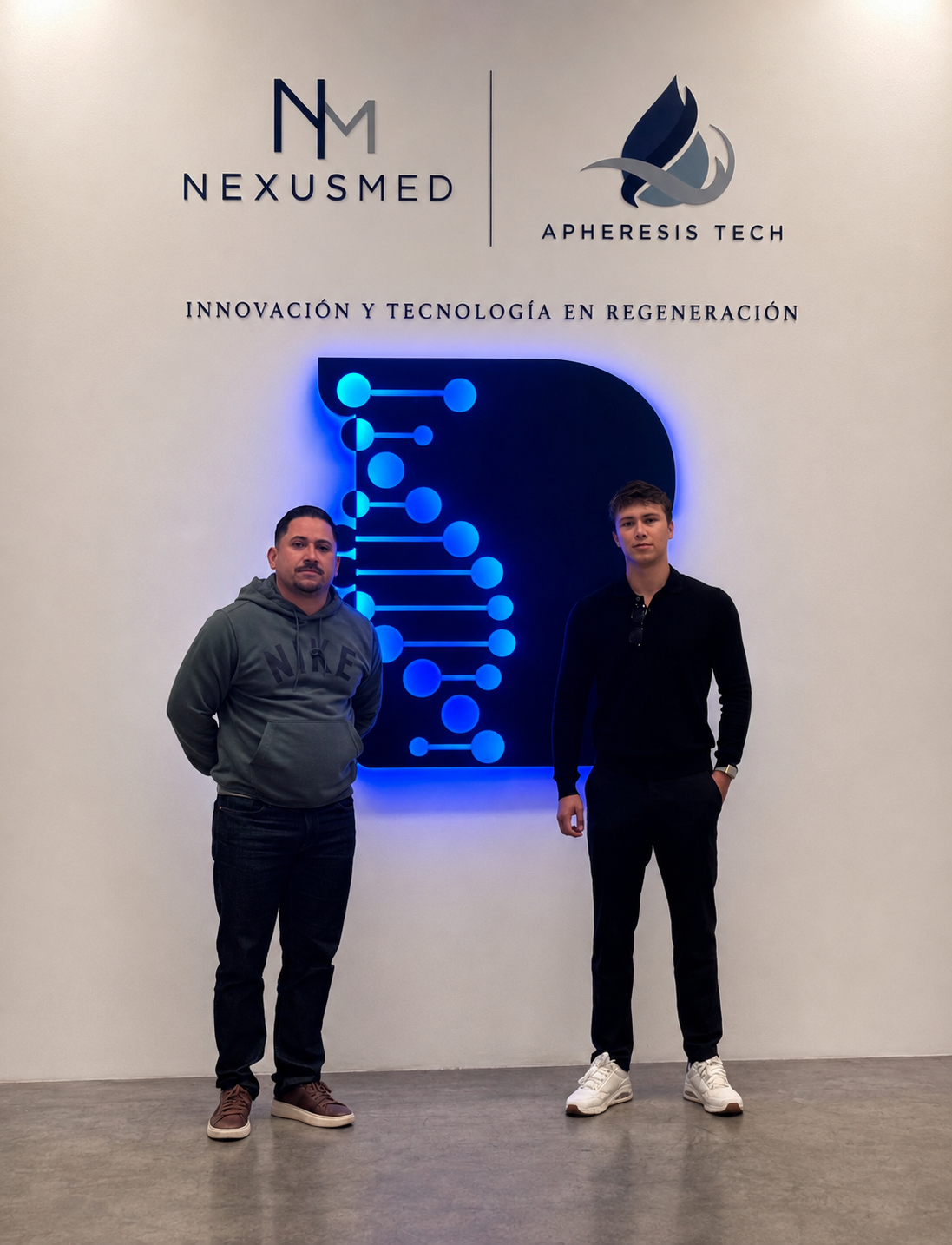


Silent disease arrives before symptoms do. So does the data.
Conventional medicine is designed to respond once damage has already occurred. By the time a clinical diagnosis shows up on imaging studies or standard lab results, the disease has often been developing for years.
Advanced biomarkers — low-grade inflammation, insulin resistance, immune dysregulation, hormonal imbalance — are detectable much earlier. The question isn't whether the problem exists. The question is whether you have the data to know it.
NexusMed operates under that premise: measure first, then intervene with precision. Not as a philosophy, but as clinical protocol.
The only center in Latin America with proprietary apheresis technology.
The GEMA device was developed by the same medical team that runs NexusMed. Apheresis in 40–50 minutes, peripheral venous access, and an extracorporeal volume of ~70 ml. A platform designed from clinical practice.
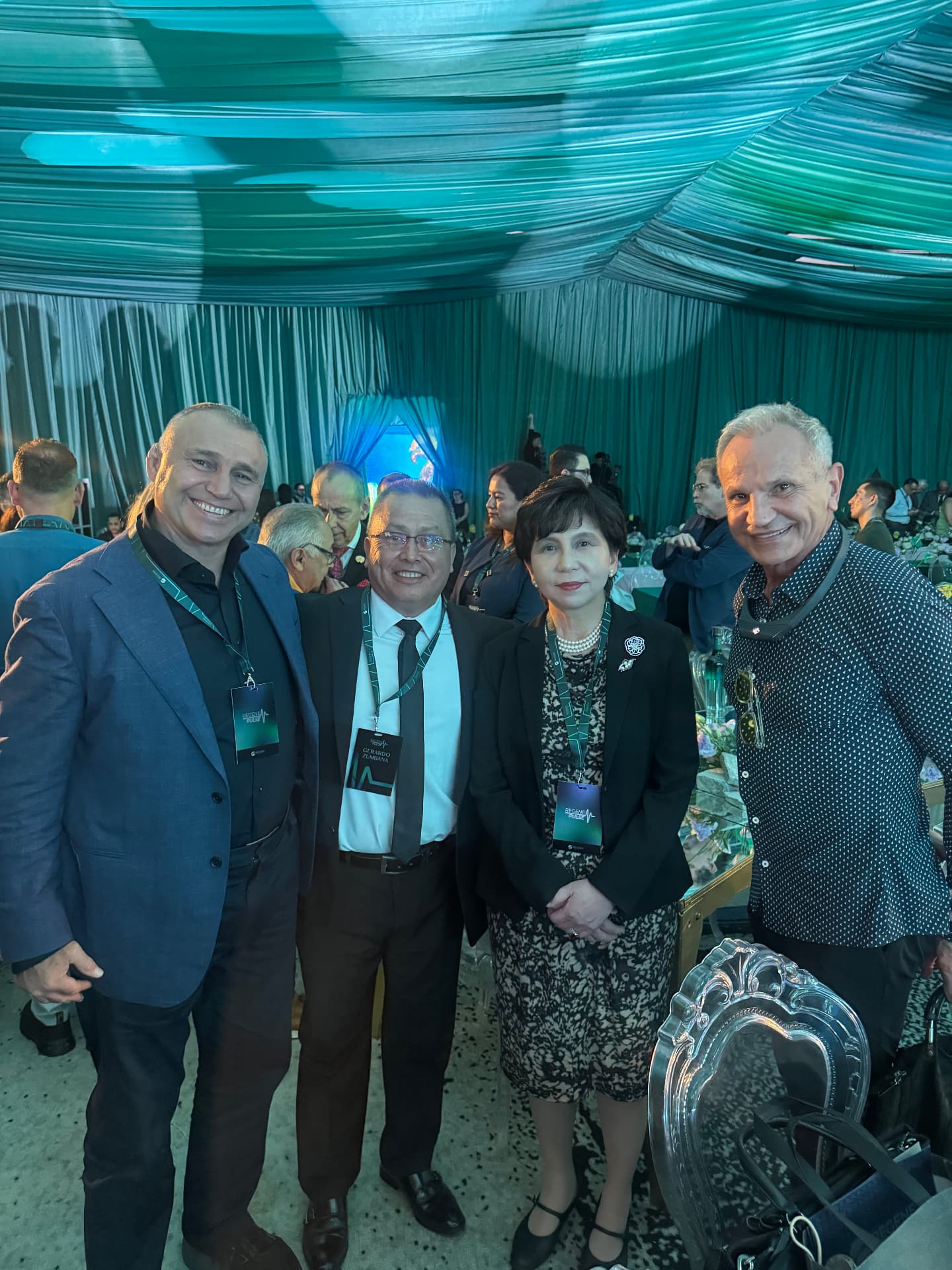
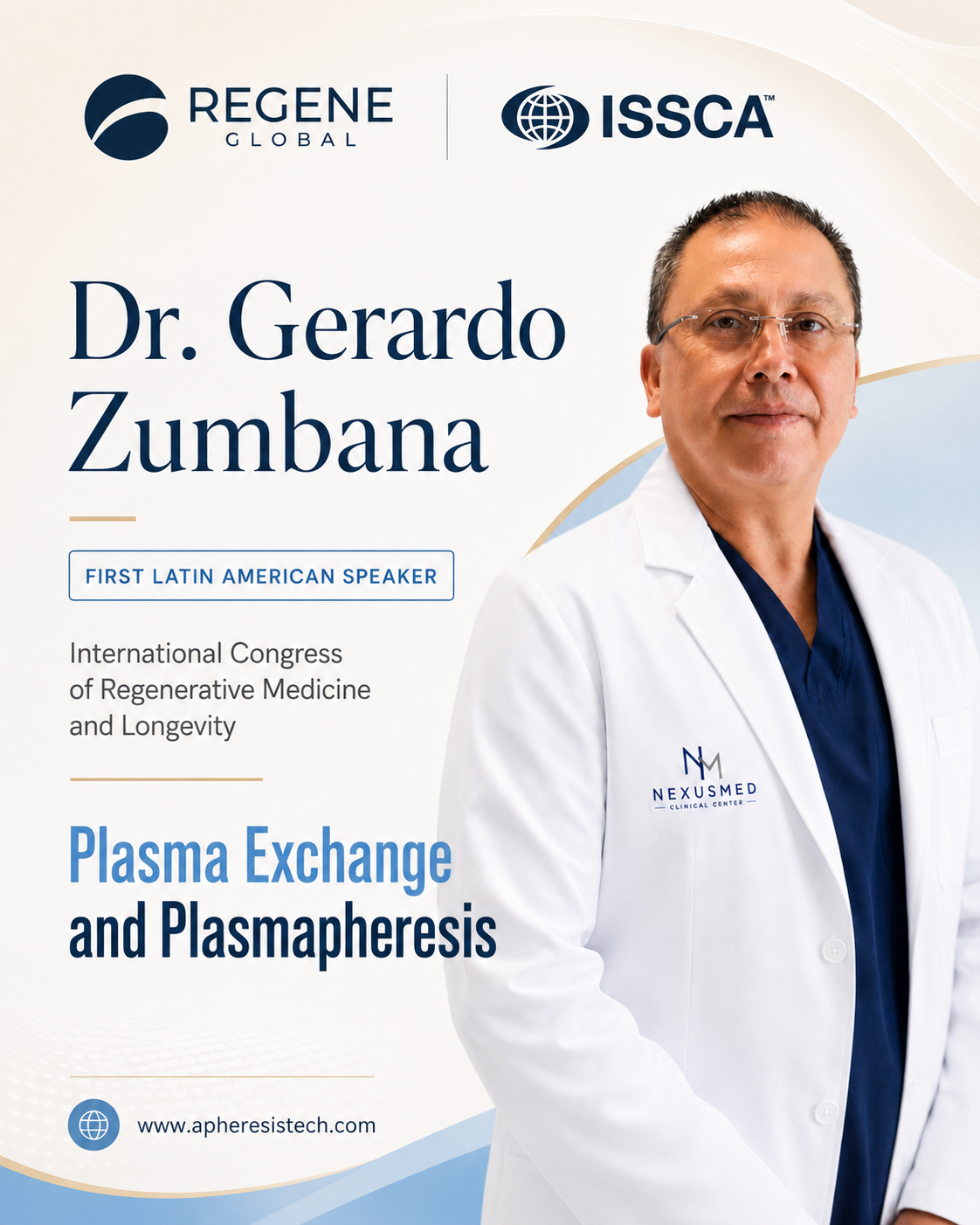
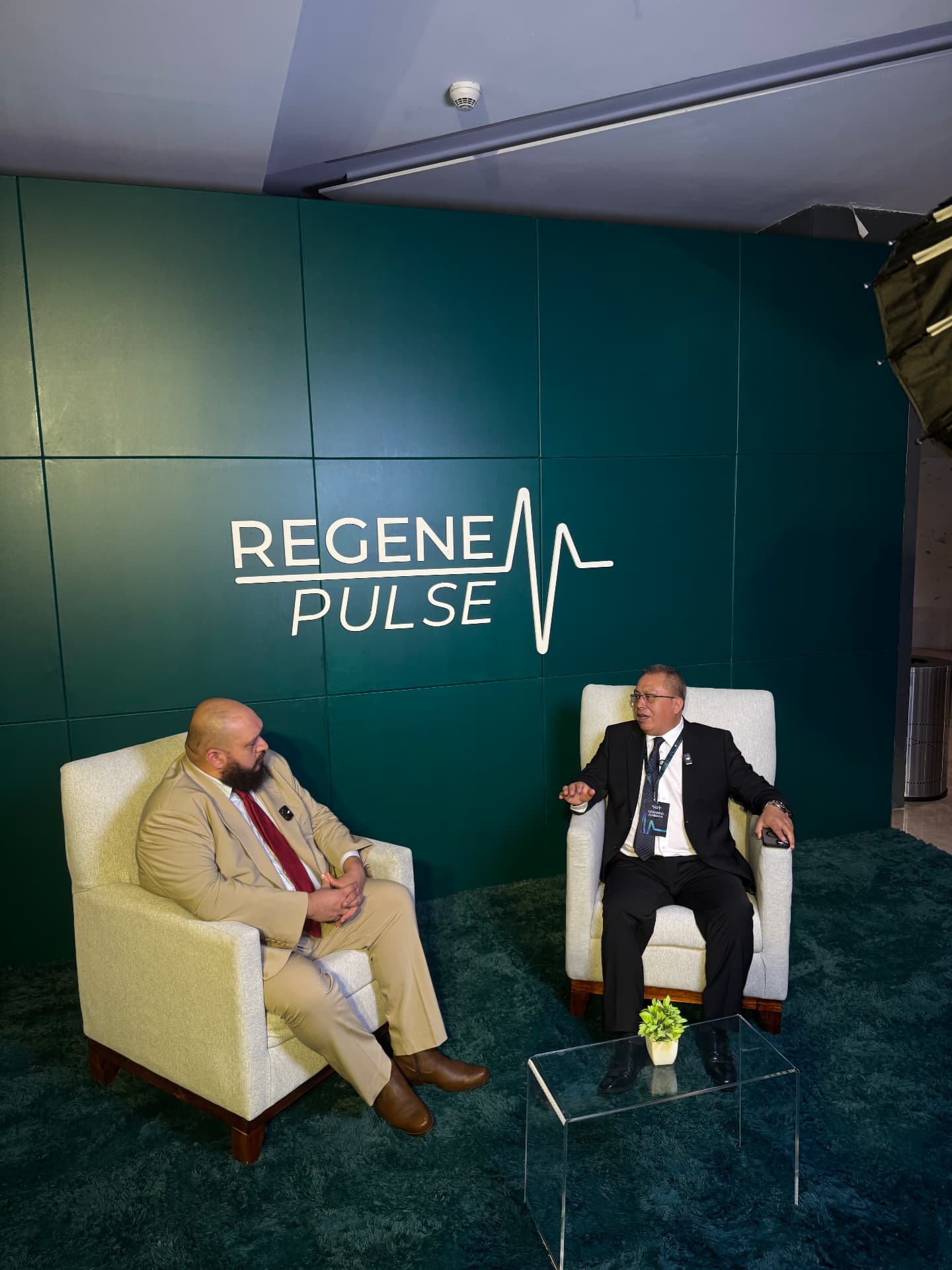
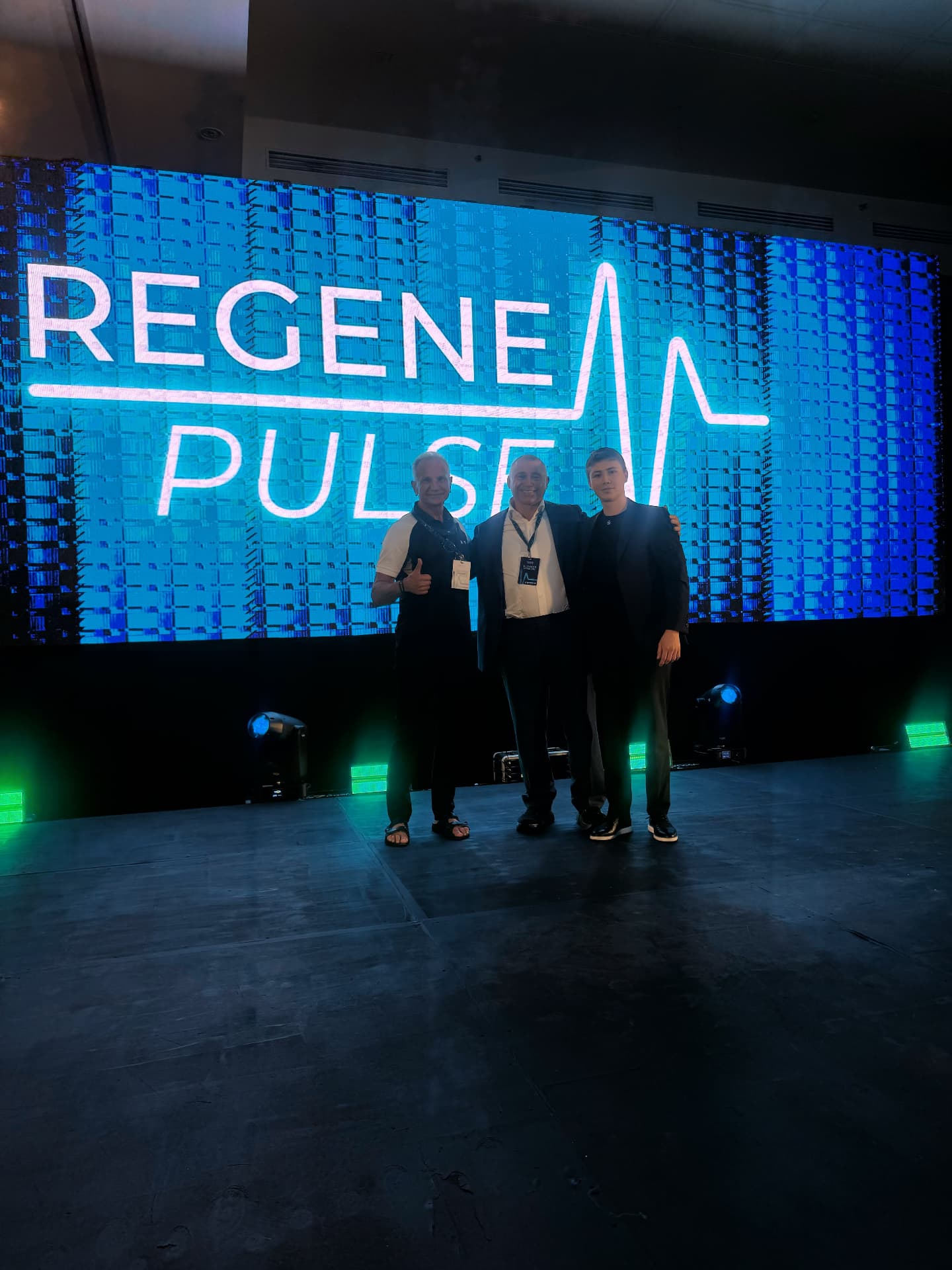
Our work is presented on the most demanding regenerative medicine stages.

Guillain-Barré Foundation. Public health in Ecuador, Mexico, and beyond.
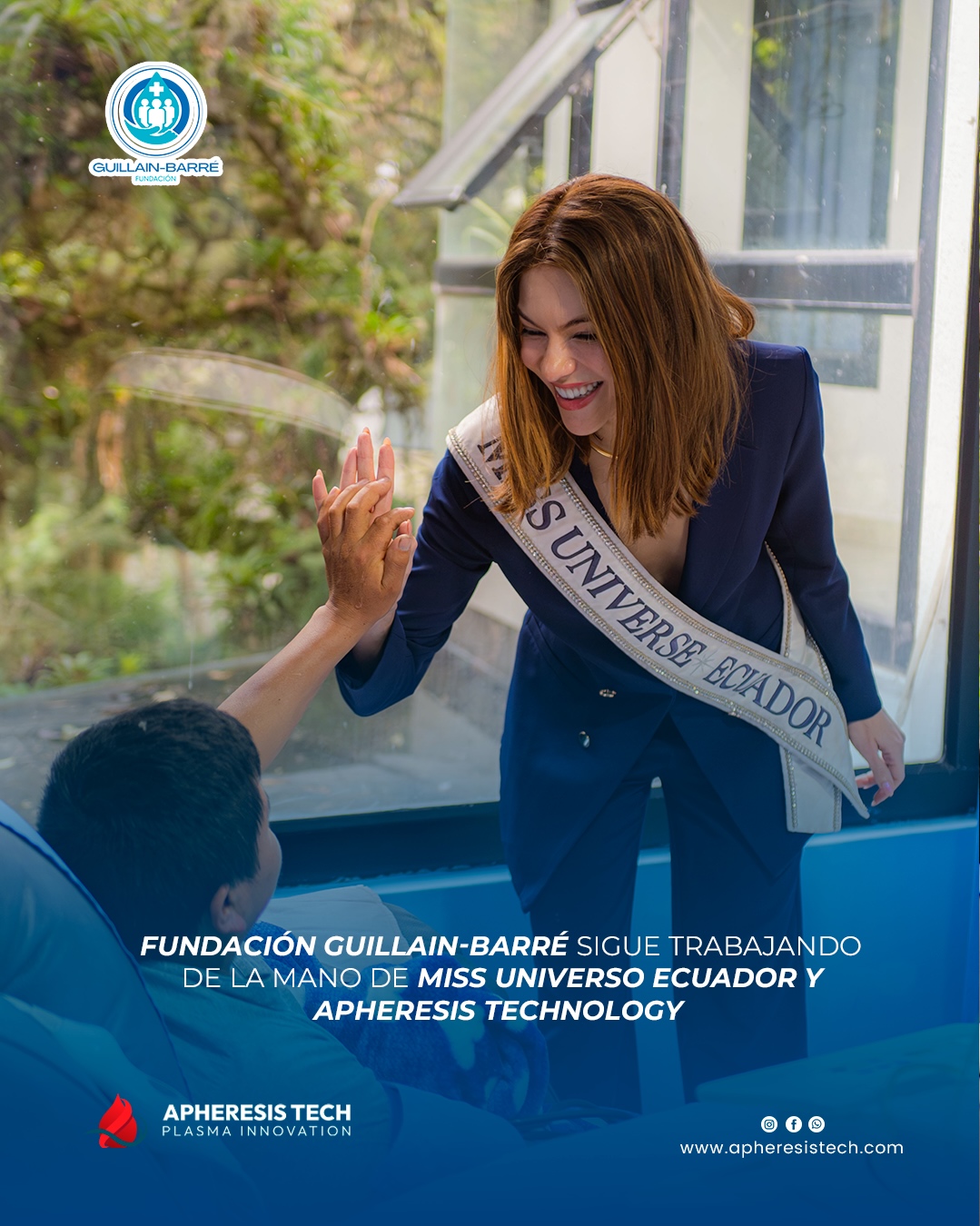
Founded by the NexusMed team, the Guillain-Barré Foundation is the first organization in Latin America dedicated to this syndrome. We work alongside public institutions and partners such as Miss Universo Ecuador and Apheresis Technology to ensure access to therapeutic plasmapheresis when every hour counts.
Active chapters in Ecuador, Mexico, Armenia, and Russia. The same GEMA technology used at NexusMed also supports public health protocols, without compromising clinical standards.
A clinical practice with a presence in four countries.
NexusMed is part of a medical network built over more than two decades, with clinical and operational presence in Ecuador, Mexico, the United States, and Russia.
Quito · Cumbayá
Main medical center and operational headquarters.
Nueva York
International patient coordination.
Mexico City
Partner clinical centers and regional development.
San Petersburgo
The origin of our medical training and academic home of apheresis.

Participating in forums such as RegenePulse keeps our protocols aligned with the most recent global evidence.