The GEMA device is the only therapeutic apheresis platform in Latin America developed and operated by the same medical organization that created it. Developed by Apheresis Technology, a company co-founded by NexusMed's Medical Director.
A technology designed from clinical practice, not the other way around.
Conventional therapeutic apheresis requires large equipment, a central venous catheter, and sessions of 3 to 4 hours. GEMA was designed to remove these limitations without compromising the clinical efficacy of the procedure.
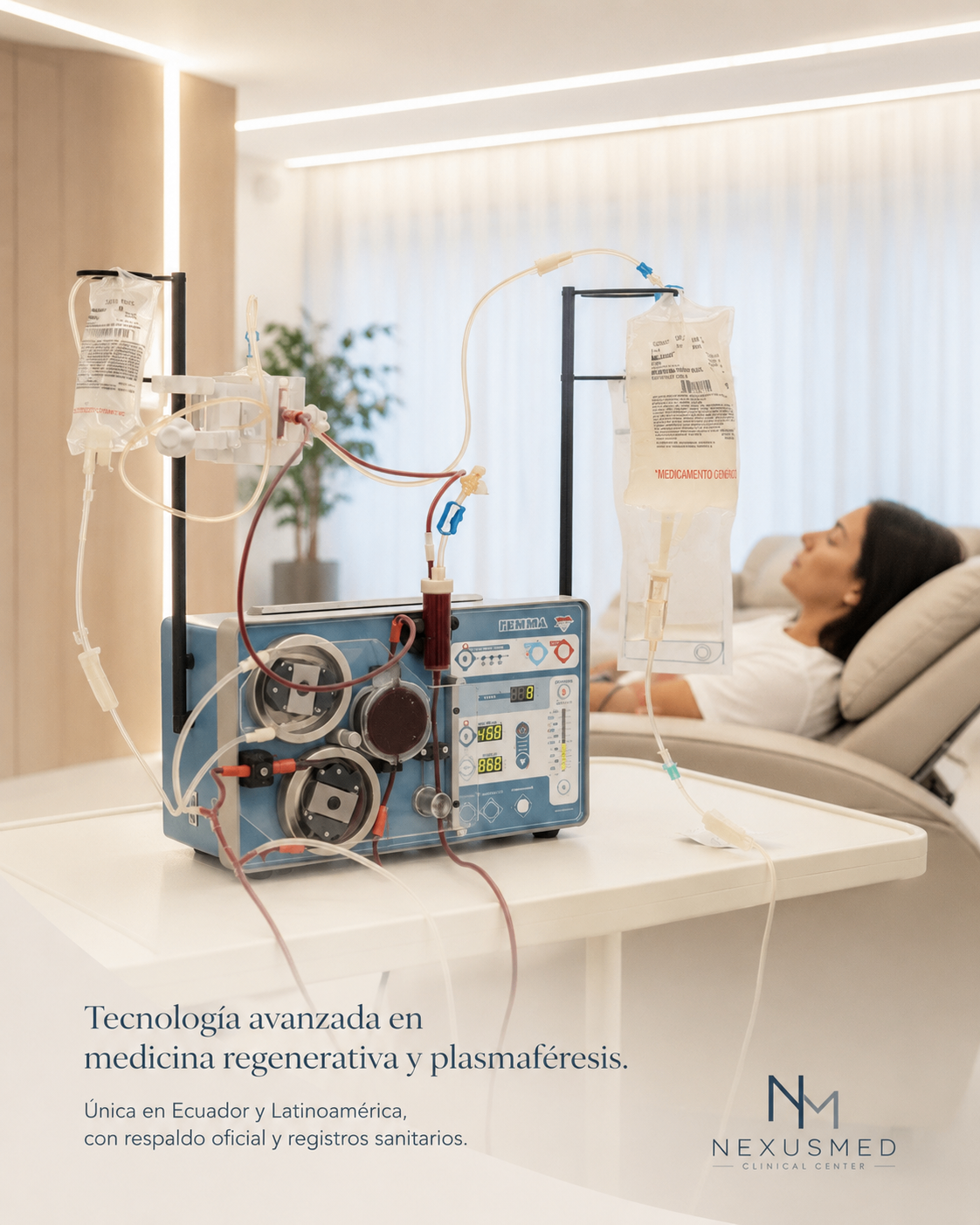
The result is a compact system that operates with peripheral venous access, reduces extracorporeal volume to ~70 ml, and completes each session in 40 to 50 minutes. Every GEMA unit is operated directly by the NexusMed medical team, with no technical-service intermediaries.
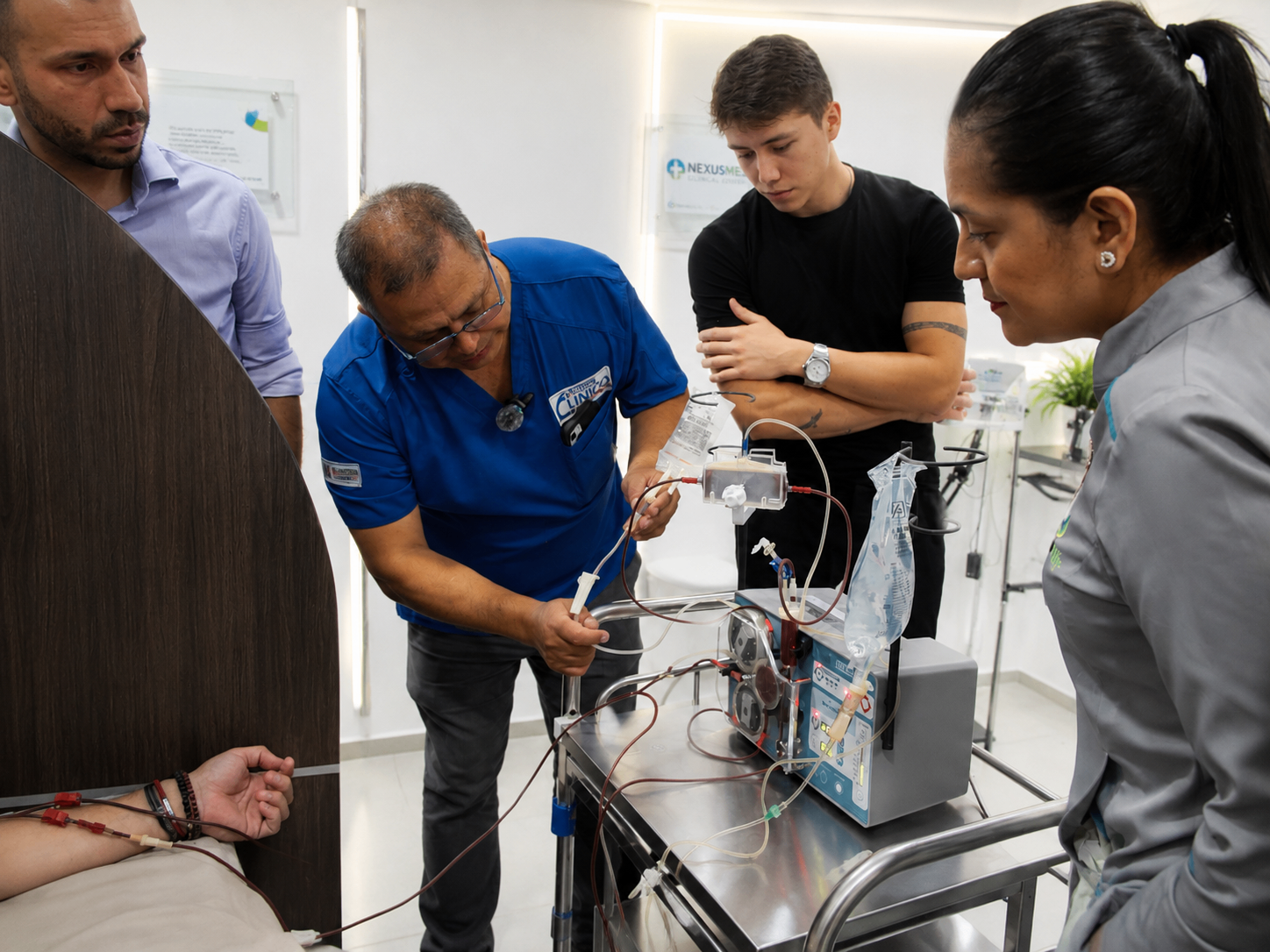
Cleared volume, session time and hemodynamic parameters are documented in the patient's clinical record.

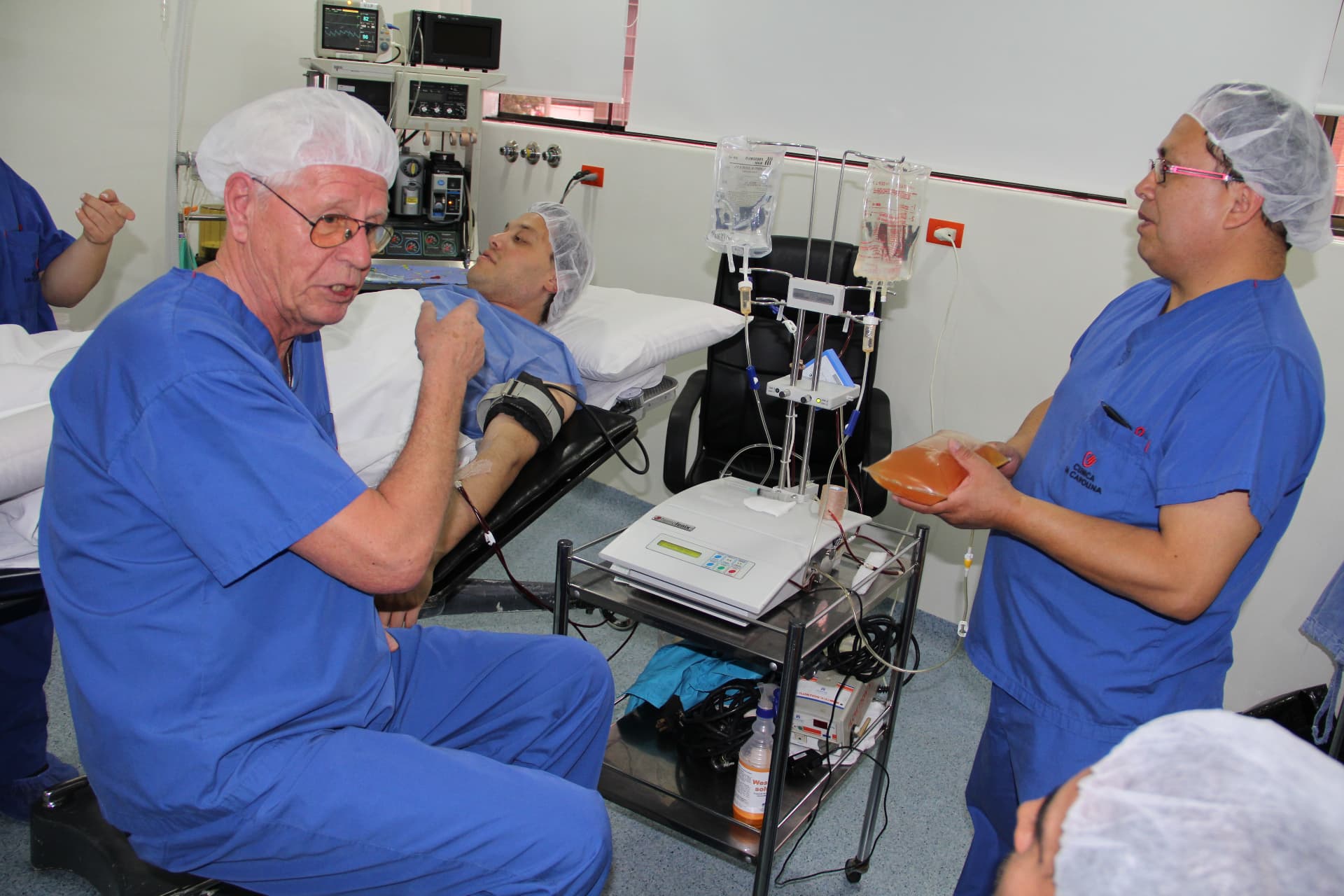
One device, one physician, one protocol written in real time.
Every GEMA apheresis session is run with the physician at the patient's side. There are no outsourced technicians, no rotating operators. The clinician who designed the protocol is the one who adjusts the machine — flow, pressure, volume — based on the patient's response.
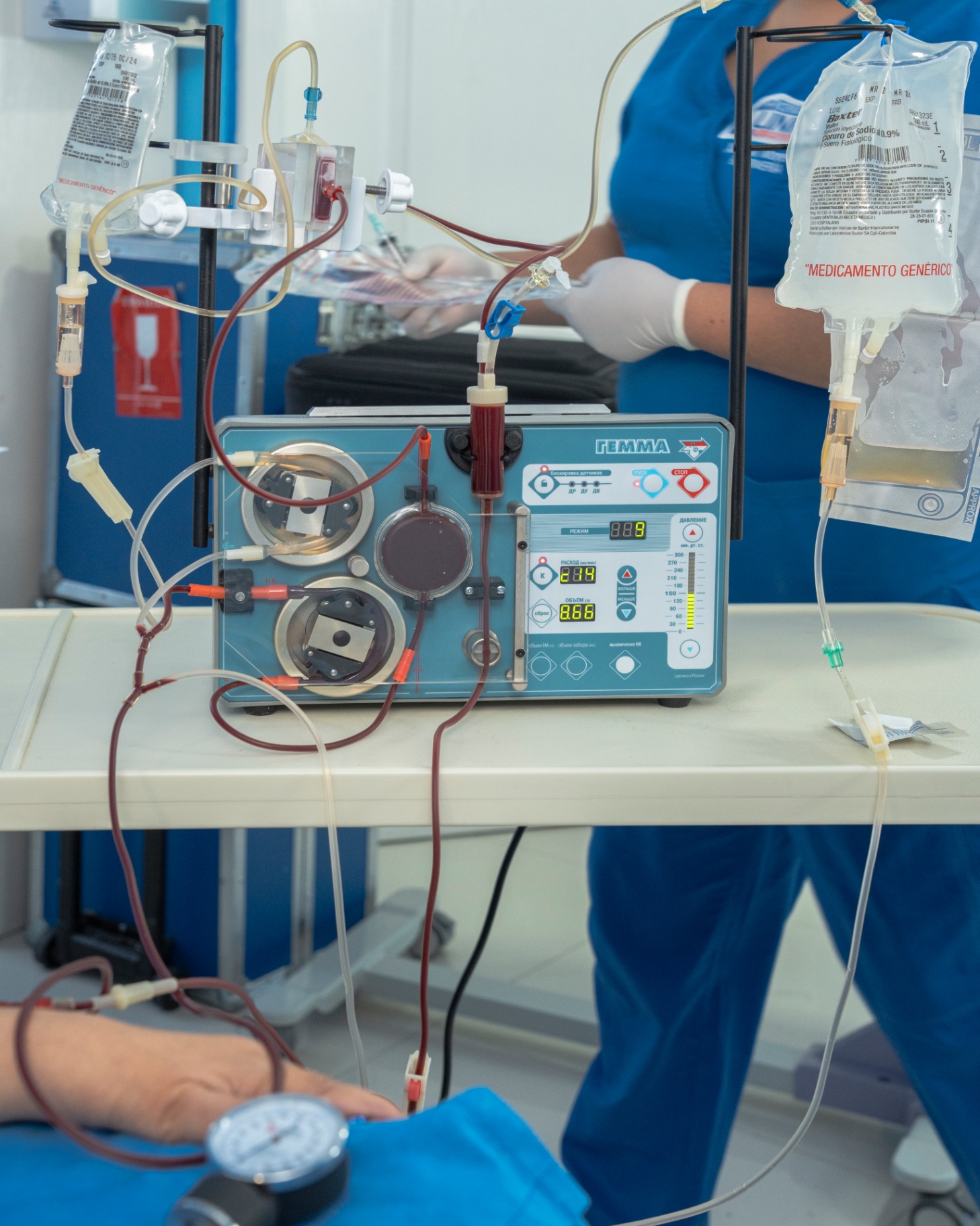
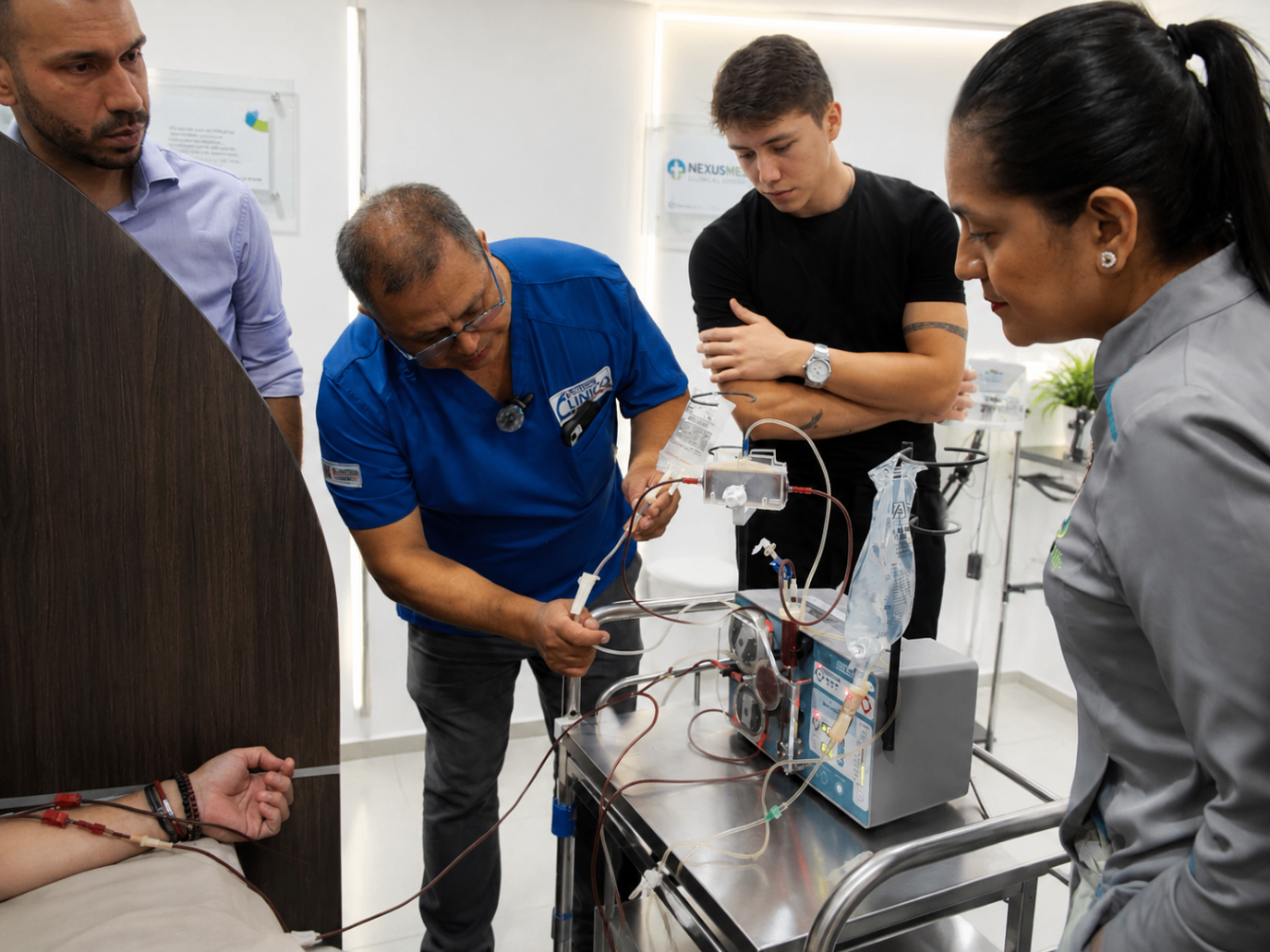
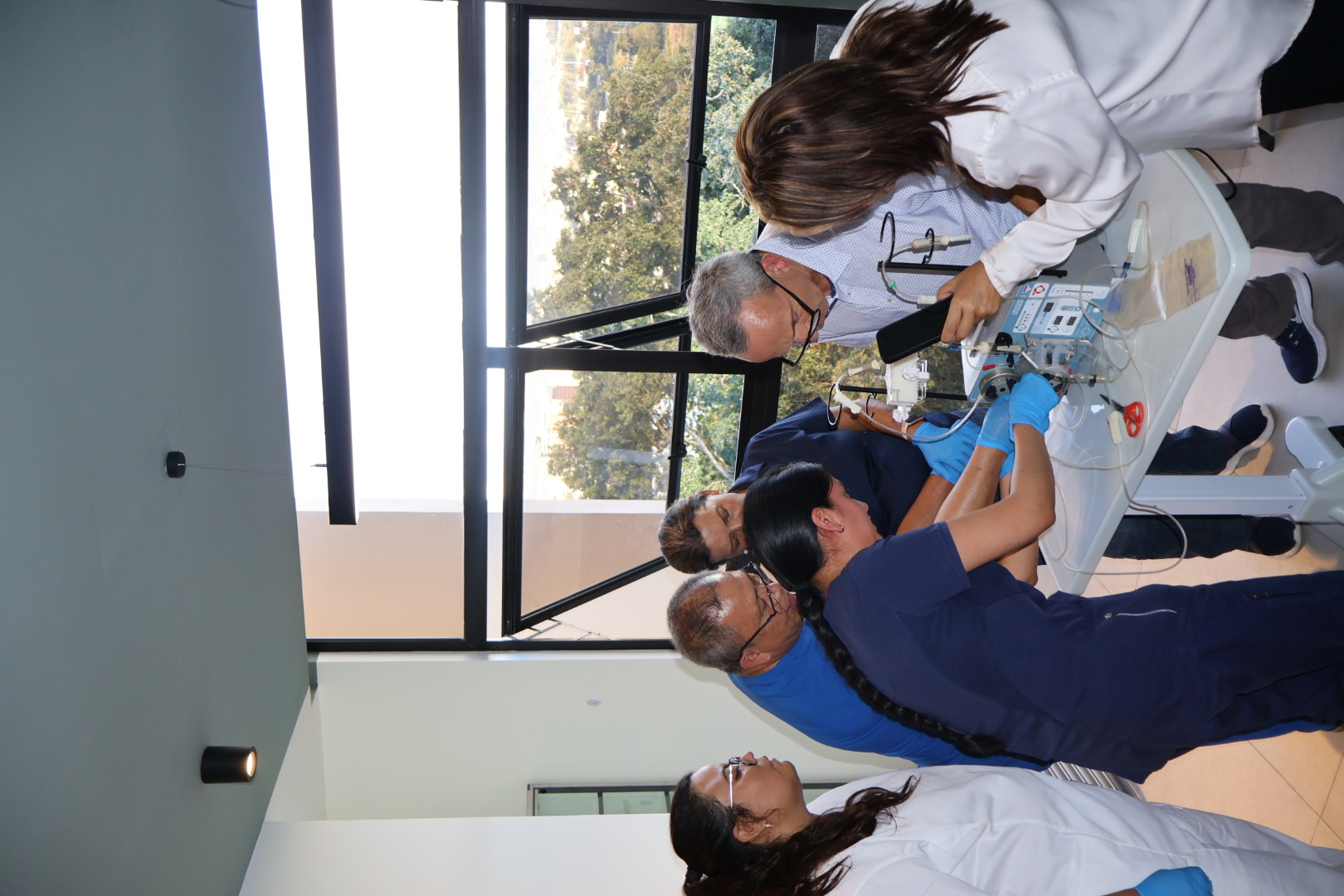
Compared to 3–4 hours with conventional systems.
Compared to 400–500 ml with standard equipment.
No central venous catheter in most indications.
Data accumulated across more than 850 centers in a dozen countries.
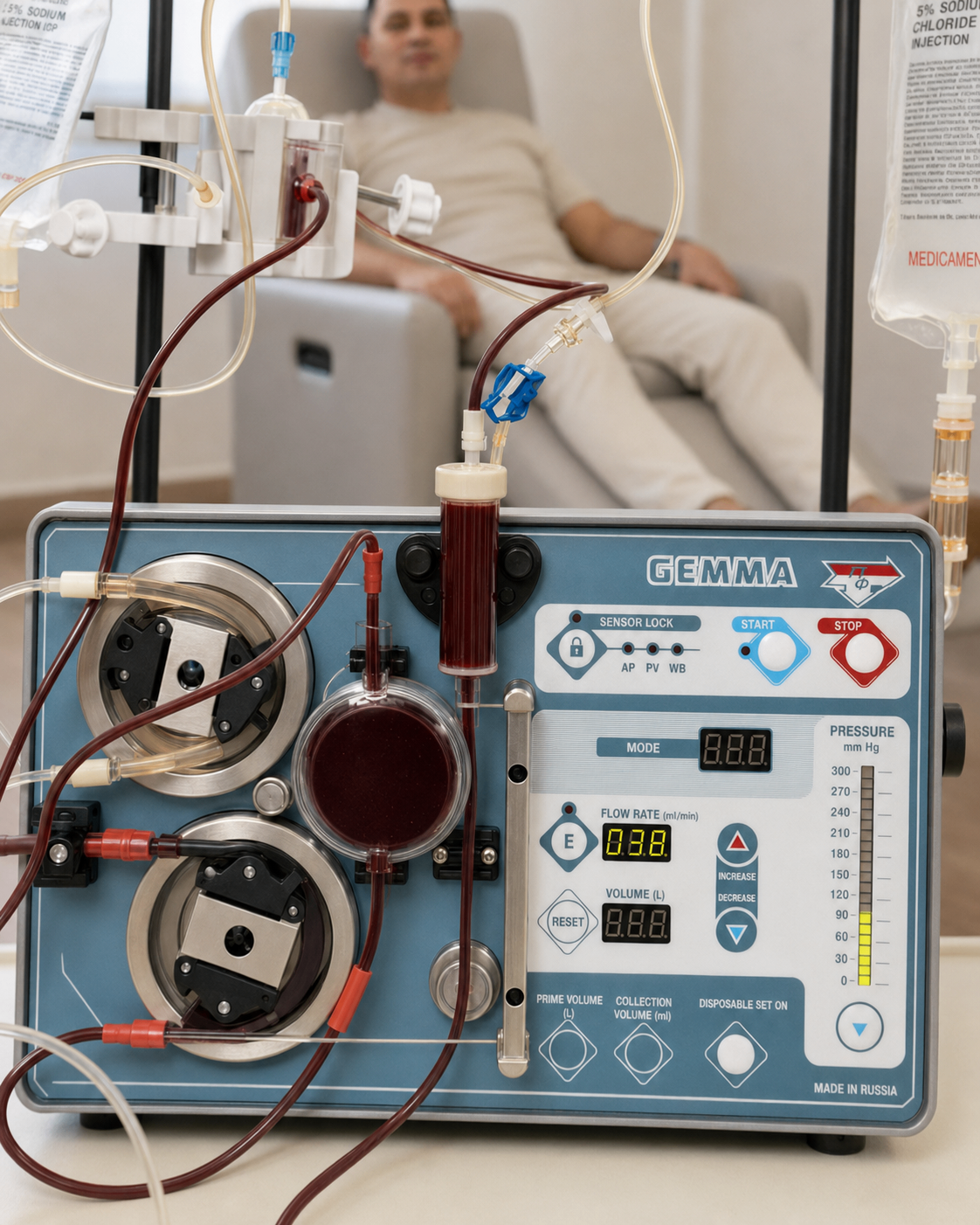
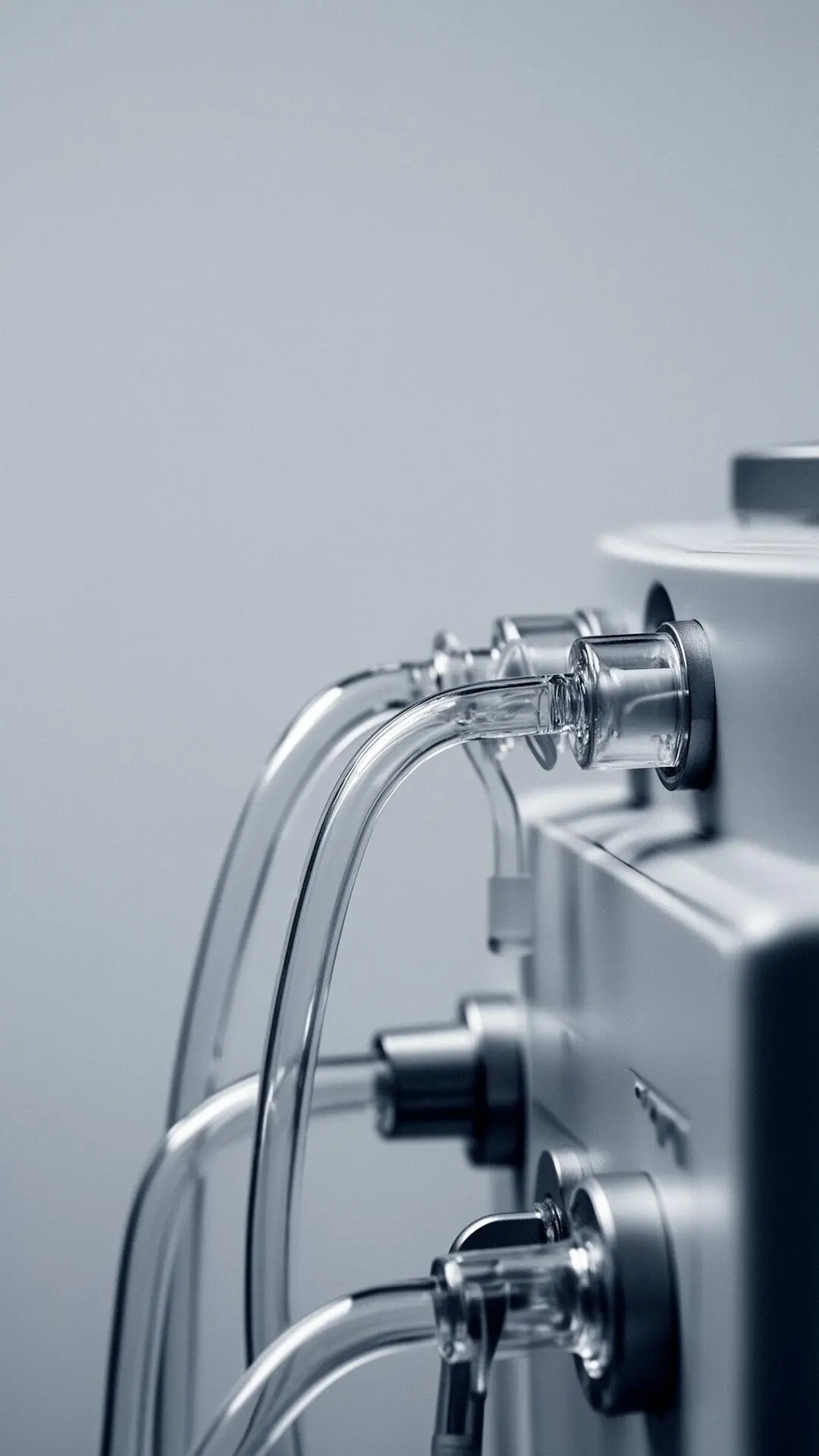
Control panel and extracorporeal flow.
Every session monitors pressure, flow, and volume in real time. The operator — always a physician from our team — adjusts the parameters based on each patient's individual clinical response. No generic protocols.
Controlling the device changes the quality of the procedure.
No third-party dependence
Most apheresis centers depend on rented equipment or outside maintenance. When the equipment fails, treatment is delayed. NexusMed operates with its own technology: maintenance, calibration, and technical support are handled in-house.
Protocols refined with real data
The medical team that designed GEMA is the same one that operates it in every session. That creates a unique clinical feedback loop: data from every procedure directly informs the device's development. Few institutions in the world have that level of integration.
Lower burden for the patient
40–50 minutes versus 3–4 hours. Peripheral access versus central catheter. Extracorporeal volume of ~70 ml versus 400–500 ml. Each of these factors reduces the physiological stress of the procedure and improves tolerance, especially in multi-session protocols.
What GEMA changes in practice.
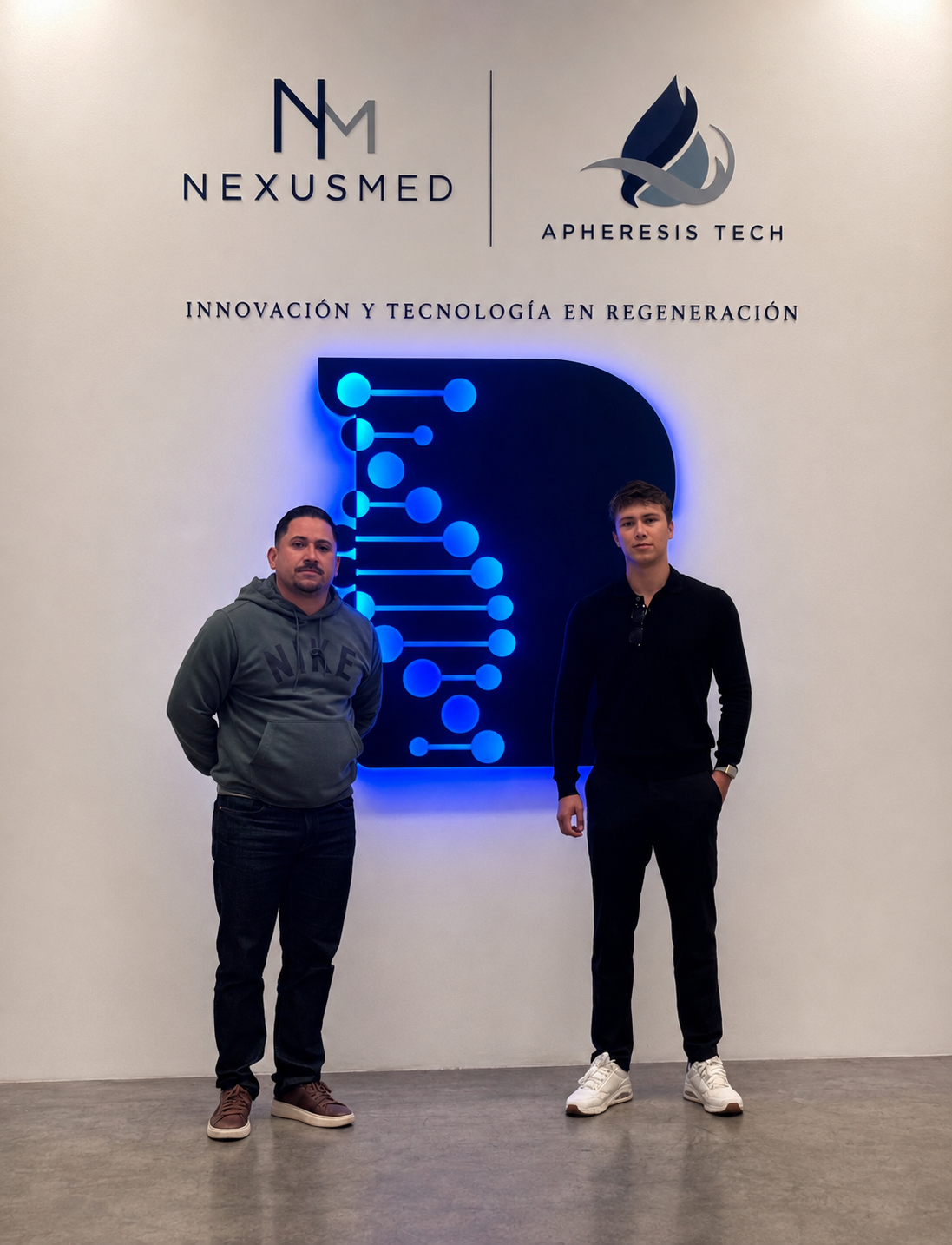
Apheresis Technology · 850+ clinical centers.
GEMA is developed by Apheresis Technology, a company founded by the same medical team that leads NexusMed. With an operational presence in more than 850 clinical centers across a dozen countries, Apheresis Technology combines technology development with clinical experience accumulated over more than two decades.
This integration between the device manufacturer and the clinical center that operates it is unusual in the medical field. It allows NexusMed to maintain direct control over the quality of every procedure, refine protocols using real clinical data, and offer a technical continuity that other centers cannot replicate.
GEMA within the clinical protocol.
Apheresis is not the only element of a NexusMed protocol. GEMA is integrated into an individualized therapeutic plan that may include regenerative medicine, cell therapy, biomarker evaluation, and subsequent clinical follow-up.
GEMA does not replace conventional medical treatments. Its clinical indication is determined in consultation with the specialist physician based on each patient's medical history, biomarkers, and therapeutic goals.
Is apheresis part of your protocol?
Only a clinical evaluation can determine that. The first step is a consultation with our Medical Director.
Book an evaluation